%2Ffit-in%2F250x250%2Fguide_websites%2F5858%2Fimages%2Fimageedit_1_5429306738.png&w=1920&q=100)
Caught a Little Tunny Offshore in Destin
Little Tunny Fishing in Destin, FL
%2F%2Fusers%2F7a09e16f-8a92-4847-96f5-2e882e928c8a%2Fimages%2Fbumper-catch-tasty-game-fish-9021.png&w=1920&q=75)
The Little Tunny belongs to the order Perciformes and family Scombridae. It typically measures between 24 and 48 inches in length, with a weight range from 5 to 15 lbs. Habitat: onshore, nearshore, offshore. - Also known as Bonita, False Albacore, or Little Tuna. - Considered one of the smaller variants of tuna species. - Uses schooling behavior as a primary defense mechanism. - Migratory species that moves south during winter months.
Fishing Charter by Captain Bernie Lefebvre in August

Meet your Captain Bernie Lefebvre
- Nothing beats a day of fishing action!


Summary
Captain Bernie Lefebvre of Windwalker II Charters on Saturday May delivered an outstanding offshore fishing charter in the warm waters off Destin, FL. This 8-hour deep sea adventure targeted prime gamefish using trolling and jigging techniques, resulting in 15 fish including Little Tunny, King Mackerel, Wahoo, and Cero Mackerel. May represents peak season for offshore fishing along the Emerald Coast, with warming Gulf waters drawing in aggressive predators. The charter featured light tackle action and steady bite conditions throughout the trip. Whether you're an experienced angler seeking trophy fish or newer to deep sea fishing, this charter offers the perfect blend of technique instruction and fish-fighting excitement. Book online to experience some of the best offshore fishing Destin has to offer.
Fishing Charter with Captain Bernie Lefebvre – Rates & Booking
Captain Bernie Lefebvre of Windwalker II Charters on Saturday May offers comprehensive 8-hour offshore fishing trips departing from Destin Harbor. This deep sea charter targets Little Tunny, King Mackerel, Wahoo, and other Gulf gamefish using proven trolling and jigging methods. All fishing gear, tackle, and safety equipment are included in your charter rate. The boat accommodates small groups for personalized instruction and maximum fishing time. Licensed and experienced, Captain Bernie provides local knowledge of productive offshore structure and seasonal bite patterns. Contact Windwalker II Charters directly for current rates and availability.
Highlights of 8 Hour Trip (AM)
This charter delivered exceptional results with 15 fish caught using multiple techniques including deep-sea trolling, jigging, and light tackle methods. The morning departure takes advantage of prime feeding times when Little Tunny and other pelagic species are most active. Guests experienced steady action throughout the 8-hour trip, with opportunities to target both schooling fish and larger predators like Wahoo and King Mackerel.
The Emerald Coast waters off Destin provide ideal habitat for these species, with clear Gulf waters and abundant baitfish concentrations. May timing coincides with warming water temperatures that draw gamefish closer to accessible fishing grounds, making this an excellent month for offshore success.
Local Species Insights: Little Tunny
Little Tunny thrive in the warm Gulf waters off Destin during May, when water temperatures reach their preferred range. These aggressive feeders school in large numbers around offshore structure and baitfish concentrations. Anglers target them using light tackle with small jigs, spoons, and live bait presentations. Their powerful runs and acrobatic fights make them exciting catches on appropriate gear. Little Tunny often indicate the presence of larger predators like King Mackerel and Wahoo in the same area.
Plan Your Fishing Charter Day
Your 8-hour charter includes all necessary fishing equipment, tackle, and safety gear aboard a well-equipped offshore vessel. The boat features fish-finding electronics, outriggers for trolling, and comfortable seating for the group. Morning departures typically begin before sunrise to maximize fishing time during peak feeding periods. Captain Bernie provides instruction on techniques and assists with fish handling throughout the trip. Bring sun protection, snacks, and drinks for the full-day adventure on the Gulf waters.
Fishing in Destin, FL: Little Tunny
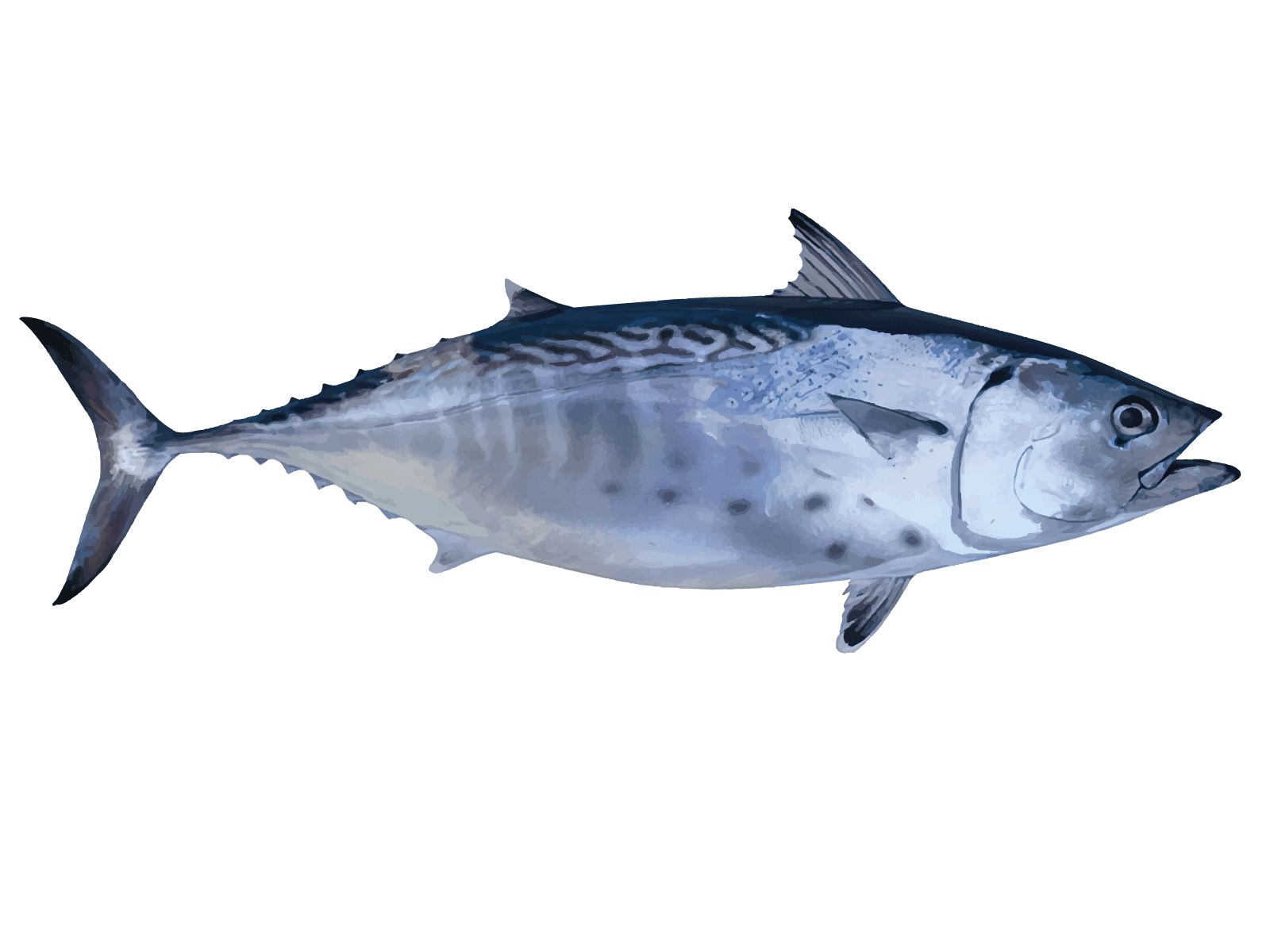
The Little Tunny (Euthynnus alletteratus) belongs to the order Perciformes and family Scombridae, making it a true member of the tuna family. Also known as Bonita, False Albacore, or Little Tuna, this species is distinguished by its streamlined body, distinctive wavy markings on the back, and powerful swimming ability. In Destin waters this May, anglers commonly encounter schools of Little Tunny ranging from 24 to 48 inches and weighing 5 to 15 pounds.
Little Tunny Overview
Little Tunny represent one of the most abundant and accessible tuna species in Gulf waters. Their smaller size compared to other tunas makes them ideal targets for light tackle fishing, while their aggressive feeding behavior and schooling nature provide consistent action for charter boat anglers. These fish serve as both exciting catches in their own right and indicators of larger predator activity in the area.
Little Tunny Habitat and Distribution
Little Tunny inhabit warm offshore waters throughout the Gulf of Mexico and Atlantic Ocean. They prefer temperatures above 68°F and are commonly found from the surface down to 160 feet. Around Destin, they frequent areas with strong currents, temperature breaks, and concentrations of small baitfish like sardines and anchovies.
Little Tunny Size and Weight
Most Little Tunny caught in Gulf waters range from 24 to 48 inches in length and weigh between 5 and 15 pounds. Larger specimens can exceed 20 pounds, though fish in the 8-12 pound range are most common in charter boat catches.
Little Tunny Diet and Behavior
These voracious predators feed primarily on small schooling fish, squid, and crustaceans. They hunt in coordinated schools, often driving baitfish to the surface where feeding frenzies create visible commotion. Little Tunny are most active during dawn and dusk feeding periods, though they can be caught throughout the day when conditions are favorable.
Little Tunny Spawning Season
Spawning occurs in warm offshore waters during spring and summer months. Water temperatures between 75-80°F trigger reproductive behavior, with peak spawning activity typically occurring from April through August in Gulf waters.
Little Tunny Fishing Techniques
Successful techniques include trolling small spoons, feathers, and cedar plugs at 6-8 knots. Jigging with small metal lures works well when schools are located on fish finders. Live bait fishing with sardines or cigar minnows produces excellent results. In May around Destin, anglers find them near offshore structure and temperature breaks where baitfish concentrate.
Little Tunny Is It Good to Eat?
Little Tunny provides excellent table fare when properly handled and prepared. The meat is dark red with a rich, meaty flavor similar to other tuna species. High in protein and omega-3 fatty acids, it works well grilled, blackened, or prepared as sashimi when very fresh.
Little Tunny Frequently Asked Questions
Q: What is the best bait for Little Tunny?
A: Small spoons, feathers, and live sardines work best. Metal jigs in the 1-3 ounce range are also highly effective when schools are located.
Q: Where can I find Little Tunny near Destin?
A: Look for them around offshore structure, temperature breaks, and areas with active baitfish schools, typically 10-30 miles offshore.
Q: Is Little Tunny good to eat?
A: Yes, when properly handled they provide excellent table fare with rich, meaty flavor and high nutritional value.
Q: When is the best time to catch Little Tunny?
A: Dawn and dusk feeding periods are most productive, though they can be caught throughout the day during peak season from April through October.